Investment advice
Ongoing advice across the global financial markets, from an investment advisor who stays with you.

The discipline
One advisor, every market, and a portfolio built around the whole of what you hold.
Through one relationship you reach the global financial markets: the exchanges, the instruments, and the custodians that are ordinary practice internationally. Your assets are held in your name with regulated custodians, and every account is contracted on terms you can read.
The advice is ongoing. As the markets move and your situation moves with them, the advice moves too, in the currencies and jurisdictions your life actually runs through. You decide, and the advisor stays at your side.
The work
One relationship, every market
Accounts that reach the exchanges and instruments of the major markets, opened once and read together ever after.
Built around your whole position
The portfolio is designed against everything you hold, in every currency you hold it, never as an isolated account chasing a number.
Diversified by design
Across asset classes, geographies, and currencies. Concentration is a decision taken knowingly, never an accident of history.
Advice that continues
Markets move and lives move. The advice moves with both, from a named advisor who knows your position and stays with it.
What the advice covers
Capital that has already been made is a different problem from capital still being made.
A preservation mandate is written to keep purchasing power intact and to keep the portfolio liquid enough that a bad year never forces a sale. It accepts a lower expected return in exchange for a narrower range of outcomes. No portfolio is free of risk and none is guaranteed. What can be designed is how much of the position is exposed, and to what.
Purchasing power first
Held across currencies and inflation-sensitive assets. A balance that keeps its number while prices rise has lost ground.
Liquidity on purpose
A reserve sized to your actual obligations, so a year of drawdown is funded from cash and never by selling into it.
Drawdown is the constraint
The mandate is written against the loss you can live with, and the expected return follows from that rather than the other way round.
Growth is a horizon and a contribution rate before it is a portfolio.
An accumulation mandate accepts a wider range of outcomes in exchange for a higher expected return, and it earns that trade only where the horizon is long enough to sit through the range. What decides the outcome, more than instrument selection, is how much goes in, how regularly, and whether it stays in when a year goes badly.
The horizon sets the risk
Money needed in three years and money needed in twenty are different portfolios, even for the same person.
Contributions do the work
Regular contributions, invested through the whole cycle, compound harder than any attempt to time the market.
Concentration, held knowingly
Where a concentrated position is the source of the wealth, it is measured against the rest of the balance sheet and reduced on a schedule, or kept on purpose.
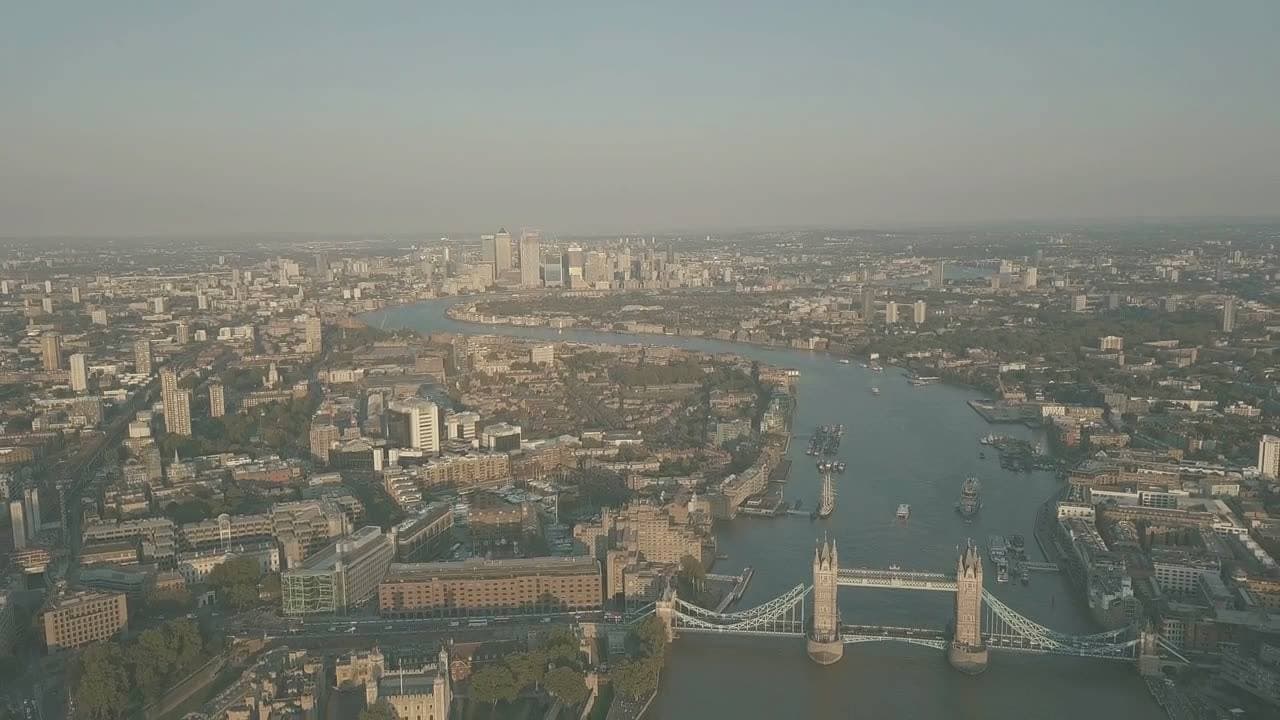
The global financial markets are open to you. The question is on what terms.
Who this serves
Cash sitting still
Capital parked in one bank, in one currency, waiting on a decision that keeps not arriving.
Concentrated by history
One company, one market, or one asset class carrying most of the balance sheet.
Accounts without a reader
Positions in several institutions and jurisdictions, with nobody reading them together.
How it begins

- 01
The introductory meeting
An hour on what the global financial markets make available to someone in your position.
- 02
The fact finding
Your position, your horizon, and what the portfolio has to do, established before anything is proposed.
- 03
The proposal
A proposal in writing: the structure, the custodian, and the markets your capital will reach.
The philosophy
Diversification is policy
Spread across asset classes, geographies, and currencies by design, and reviewed against the whole position.
Costs compound too
Every layer of fees grows at the same rate the portfolio does. Costs are read as carefully as returns.
The long view filters the noise
Most of what the markets say in a week is noise. The portfolio answers to your plan's horizon, and to nothing shorter.
Currency is a position
For a life lived across borders, the currency mix is a decision of its own, taken deliberately.

Questions
Who holds my assets?
Regulated custodians, in your name. ValMonde does not take custody of client money, and every account is contracted on terms you can read.
Do I keep control of my capital?
Yes. The accounts are yours, the access is yours, and every decision is taken with you. You can act on the advice or decline it.
What does it cost?
Fees are set out in writing before you commit to anything, and every fee ValMonde earns is disclosed to you beforehand.
Can I transfer existing accounts and portfolios?
Yes. Existing positions are read first, then moved only where moving serves you. A transfer that costs more than it improves is declined.
How is my risk appetite established?
In conversation, against your whole position and horizon, and it is recorded in writing before the first proposal. It is revisited whenever your situation moves.
Which currencies can I hold?
The major currencies your life runs through. Accounts are structured multi-currency from the start, so moving between them is ordinary practice rather than an event.
Why this firm
Borderless by design
The firm exists for lives that cross jurisdictions. One relationship reaches the global financial markets, in every currency you live in.
Your name on everything
Assets held in your name with regulated custodians, accounts contracted on terms you can read, and fees disclosed in writing beforehand.
An advisor who stays
A named investment advisor who knows your whole position and remains through every move it makes.
12
Years
US$100m+
Under advice
4
Jurisdictions
An invitation
Discuss your portfolio with an investment advisor.